They have got my project on time with competition well-organized and very experienced team of professional engineers.

The issue of energy transmission from orbit has long been a subject of scientific discussion. Solar panels in orbit can generate a large amount of energy, which is inaccessible to ground-based installations due to cloud cover and the alternation of day and night. Traditional methods of energy transmission from orbit, such as microwave transmission or laser systems, inevitably lead to significant energy losses or may pose risks to the biosphere.
Hypothesis of Energy Transmission from Orbit
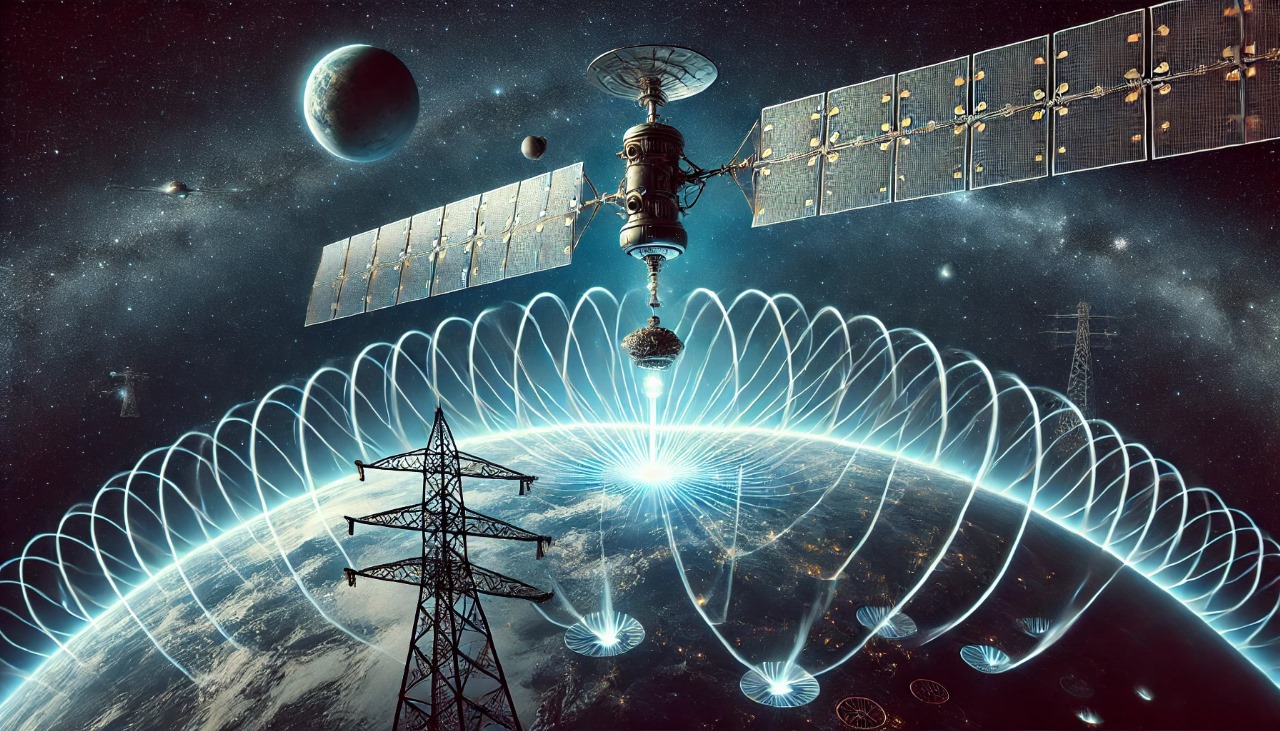
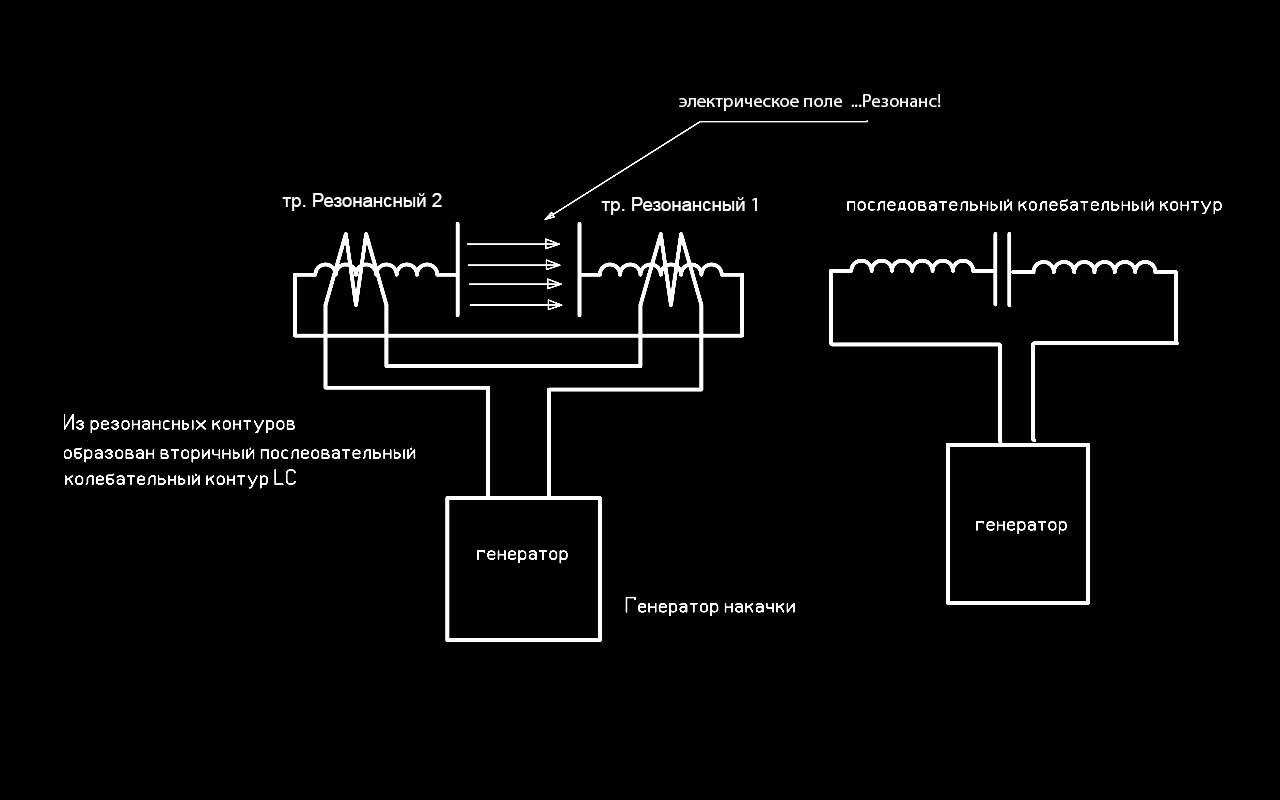
A standing wave is created at a low frequency within a giant resonator formed between two objects ("mirrors"): the Earth and an orbital station. When the orbital station begins generating energy, this energy is introduced into the resonant system. This system allows for the accumulation and precise direction of energy to strictly defined points—wave antinodes. The frequency of the standing wave is selected so that the wave’s antinodes align with the receivers on Earth. These receivers accumulate the energy and convert it into electricity, which can then be fed into the power grid.
Scientific Group from 2015 to the present
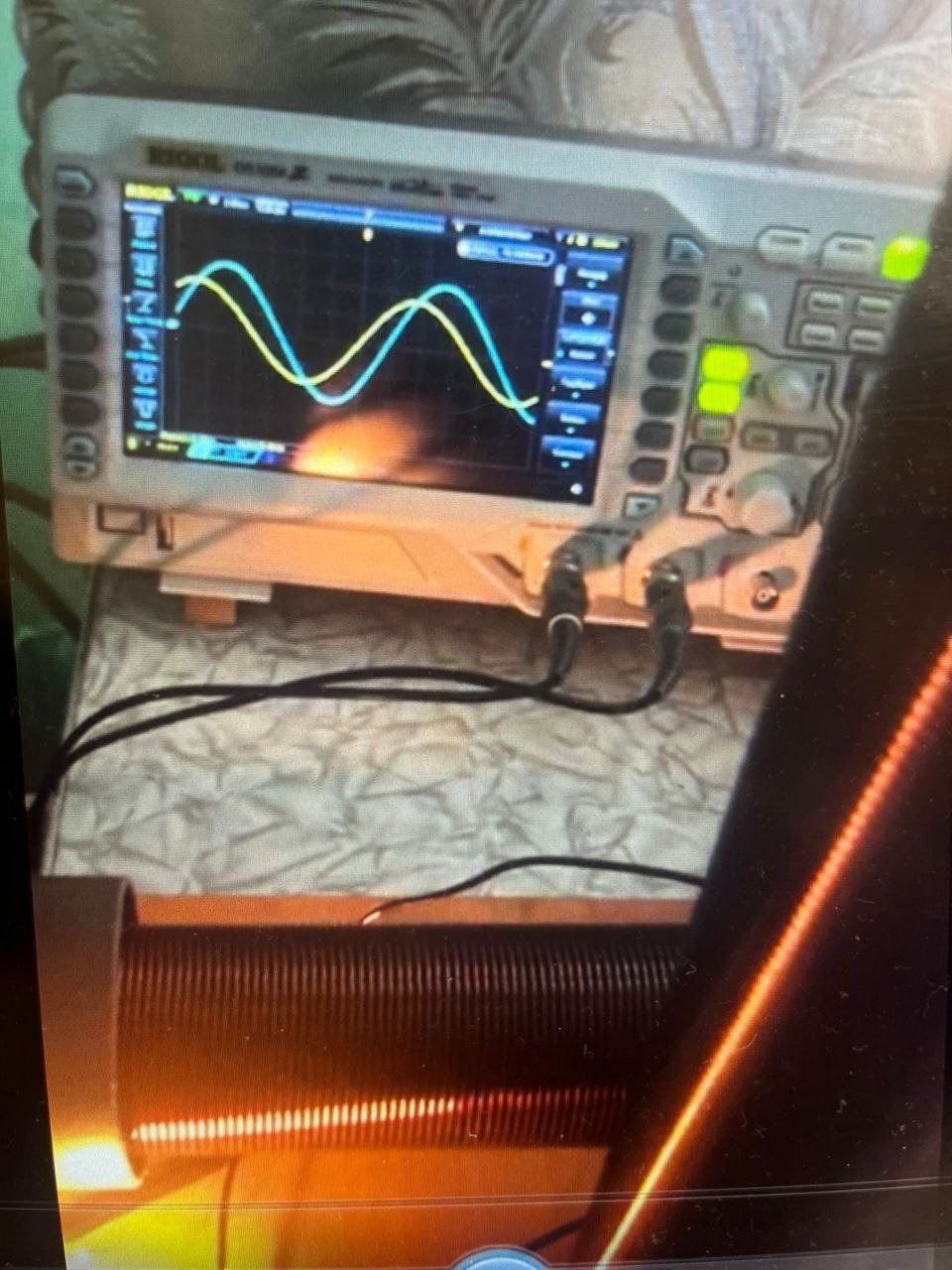
In the period from 2015 to the present, the path from the description of the theory of technology to the current laboratory sample has been covered.
Chief Executive Officer (CEO) of several Radical (non-incremental) Innovative Projects of Energy & Energy Storage Oleksandr Bilohurov.
CTO - Ruslan Nevhadovskyi ( https://sis.nipo.gov.ua/en/search/detail/841758/ ; https://patentscope.wipo.int/search/en/detail.jsf?docId=WO2008103129 )
Scientific Consultant - Doctor of Physical and Mathematical Sciences, Professor, Academic of the National Academy of Sciences of Ukraine (NASU), Director of the Institute of Nuclear Research of NASU Ivan Vishnevsky;
Scientific Consultant - Doctor of Technical Sciences, Professor, professor at the Kyiv Air Force Institute and at the National Aviation University of Kyiv Oleg Kovrizhkin.
CTO/ electronics engineer - Ivan Polianskyi.
CTO/ IT operations – Vitalii Mishchenko.
Funding of €50 million over 2 years:
Confirmation of the hypothesis in a comprehensive research institute;
Laboratory-experimental installations;
Pilot-industrial installations.
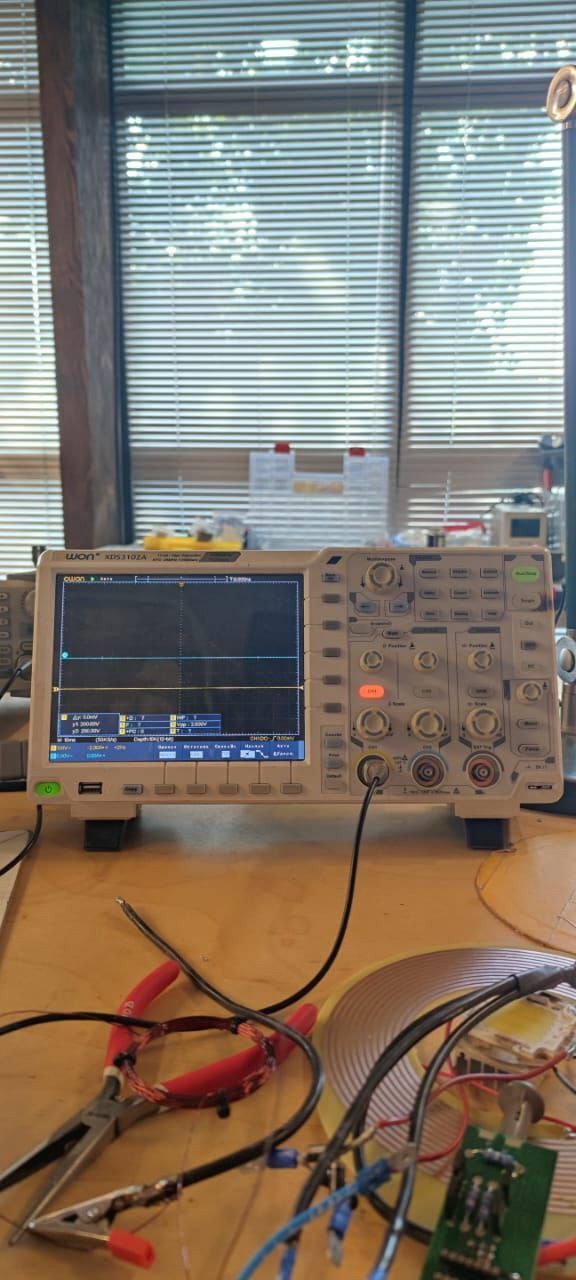
The video shows wireless transmission of electricity over a distance from a transmitter to a receiver. The transmitter consumes 30 watts. At a distance of 1.5 meters, an incandescent light bulb with a tungsten filament (fully lit) and a power rating of 100 watts is illuminated through the receiver.
The transmission is clearly not electromagnetic in nature. The inverse-square law for field intensity, which applies to electromagnetic field transmission, does not operate here. According to the well-known law called the inverse-square law, the transmitter's power would need to be at least 6 kilowatts in order to light a 100-watt incandescent bulb at a distance of 1.5 meters using Faraday induction.